Everyone talks about FIFO money.
Very few people explain what you actually work.
This is where most people get it wrong. They chase the salary without understanding the roster. The roster controls your lifestyle, your fatigue, and how long you last in the industry.
1. What a FIFO roster actually means
A FIFO roster is your work swing versus your time off.
Here are the main ones you’ll see:
2:1 roster
Two weeks on site, one week off. Common across mining and construction.
3:1 roster (construction)
Three weeks on, one week off. Standard on major projects but becoming less common as people prefer shorter swings.
2:2 roster (maintenance)
Two weeks on, two weeks off. One of the best long-term lifestyle rosters.
8:6 roster
Eight days on, six days off. Very common across WA mine sites.
7:7 roster
Seven days on, seven days off. Even-time roster, often in processing and maintenance.
2. What the company actually pays for
- Flights: Majority are only back to perth but some jobs will fly you to other capital cities especially if theres a shortage of that particular job. Electricians are often in shortage and get flown to major capital cities.
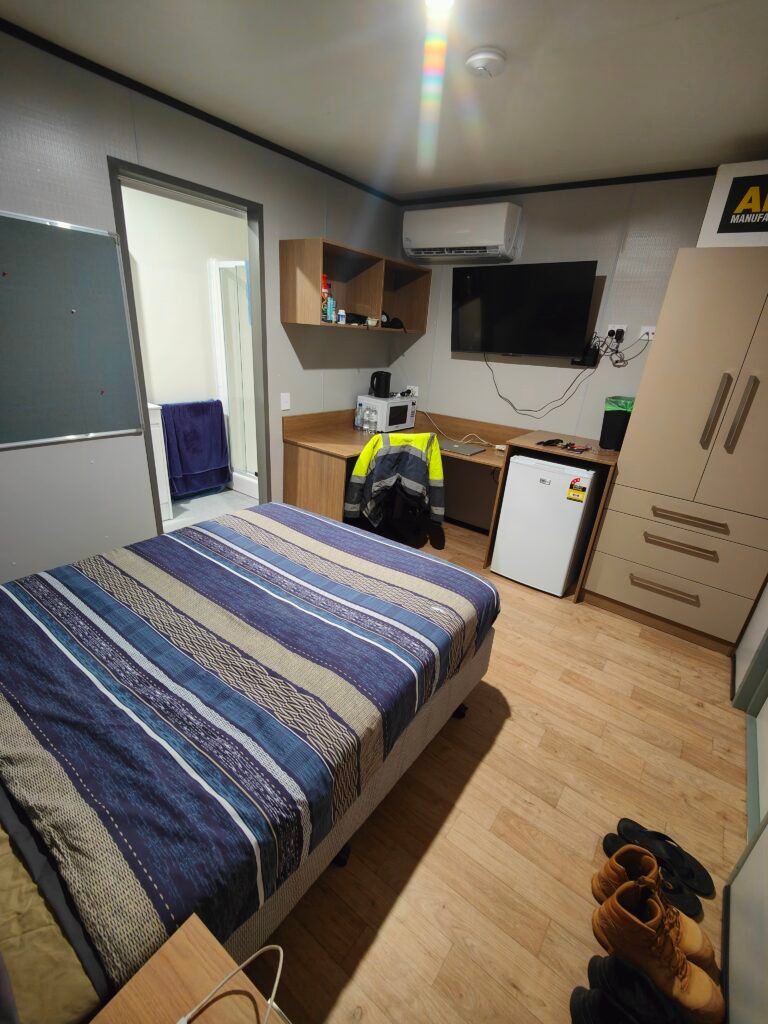
- Accommodation while on site
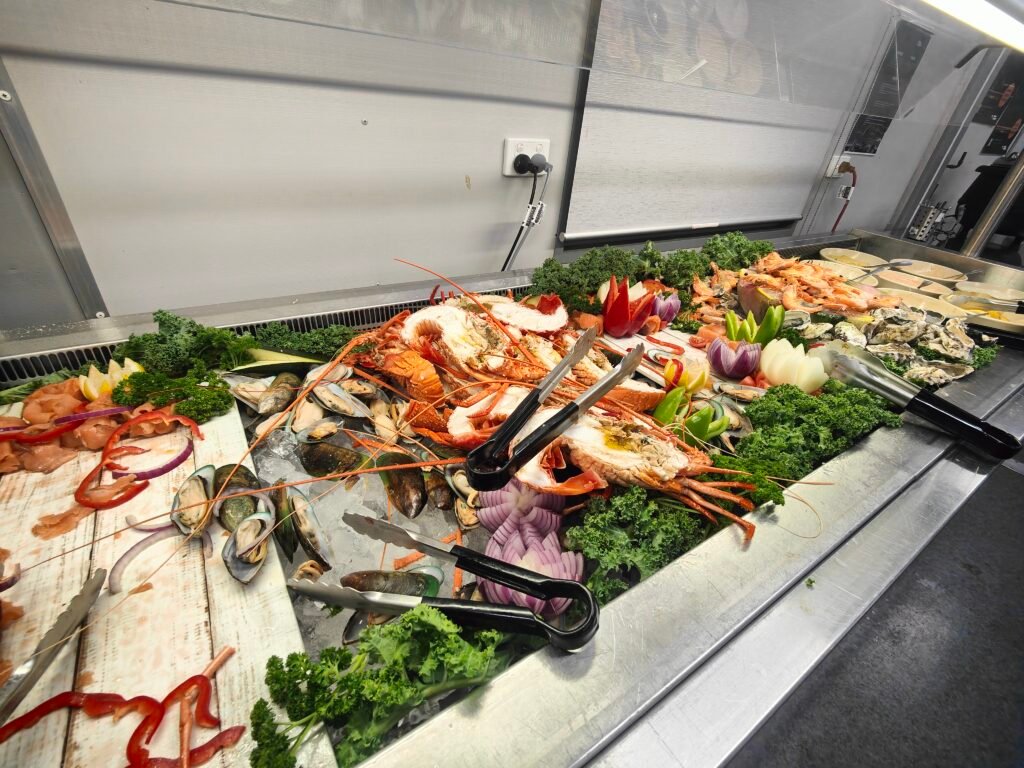
- Meals the whole time youre on site. That includes: Breakfast, Lunch and Dinner (Be careful, most people put on 5kgs in their first couple of swings because of the unlimited food.
3. What your day actually looks like
No matter the roster or internal vs external setup, your day is structured the same.
- Wake up around 4:30am to 5:00am
- Pre-start meeting
- 10 to 12 hour shift
- Dinner, shower, sleep
- Repeat for the entire swing
There are no weekends on site. Your “weekend” is your break between swings unless you are working more than 14 days then you will have a single RDO (Rostered Day Off)
Example: 3n1 roster, Work for 13 or 14 days then you have RDO then off then finish remaining days then have a week off.
4. Pay vs roster reality
3:1 and 2:1
- Highest earning potential
- More hours worked
- Faster fatigue build-up
2:2, 7:7, 8:6
- Lower total annual income
- Much better work-life balance
- More sustainable long term
Simple rule:
More time on site = more money (Unless you are white collar who get salary, you only get paid while on site not your week off
More time off = better lifestyle
5. Construction vs maintenance rosters
Construction (3:1, sometimes 2:1)
- Project-based
- Longer swings
- Higher short-term income
- Higher burnout risk
Maintenance (2:2, 8:6, 7:7)
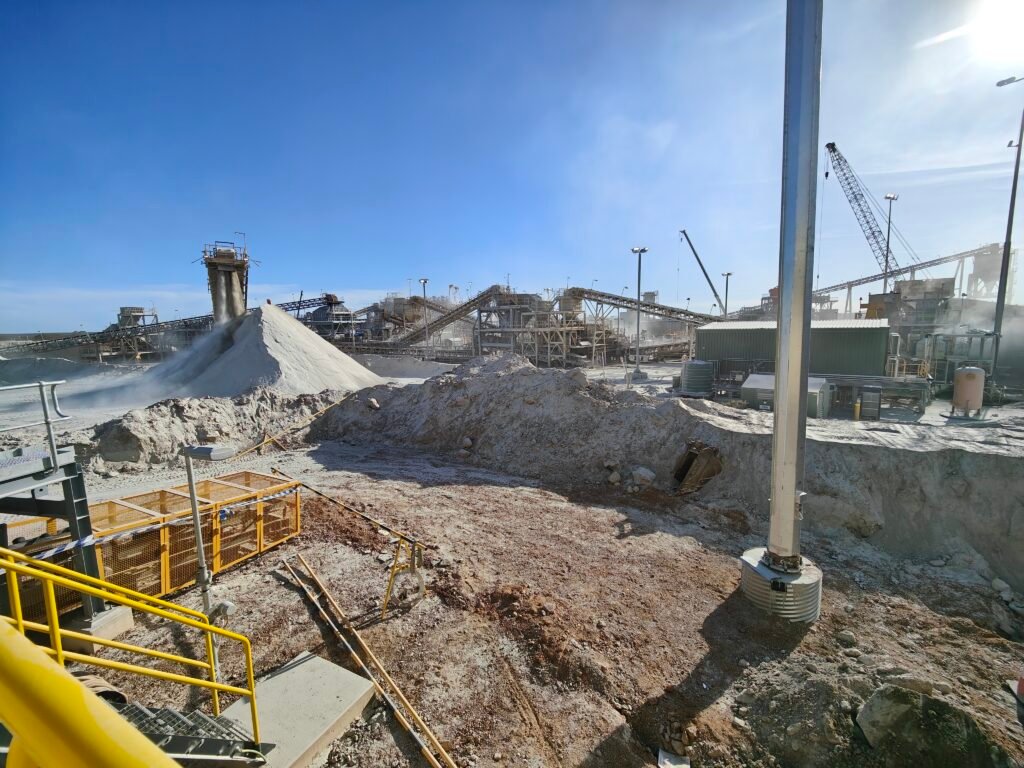
- Ongoing site operations
- More routine
- Better long-term sustainability
- More competitive to get into
A common pathway is:
👉 Start in mining camps (This is how i got my foot in the door)
👉 Move into maintenance/construction of actual mine sites (I moved into construction after almost 2 years in camp maintenance)
6. Best roster for beginners
Most entry-level roles will land you in:
- 2:1 roster
- 3:1 roster
Typical roles include:
- Trade Assistant
- Drill Offsider
- Labour hire
- Utility
If you don’t yet understand these roles and tickets required, read this first:
👉 Fifo Tickets
7. The mistake most people make
They focus on the pay, not the roster.
FIFO is not difficult because of the work.
It is difficult because of repetition, isolation, and long swings.
A 3:1 roster sounds good until you have done 21 straight days with 1 day off of 12 hour nightshift.
8. What this means for you
Before chasing FIFO, you need to decide:
- Are you chasing short-term money
- Or long-term sustainability
Because your first roster will shape your experience.
External Hiring Pages
For job searching:
👉 https://www.seek.com.au
👉 https://www.indeed.com.au
Want help getting your first role?
Most people don’t miss out because of the roster.
They miss out because their resume is not aligned with what mining companies are actually looking for.
If you need help with:
Related guides
- FIFO Job Pathway Guide → Fifo Entry Pathway
- 10 Resume Mistakes → Fifo Resume Mistakes
- FIFO Tickets Guide → Fifo Tickets Australia
Leave a Reply